15 Years of Two Way Street: Building a World Where Everyone Can Communicate
Uncategorised11 May 2026
15 Years of Two Way Street: Building a World Where Everyone Can Communicate
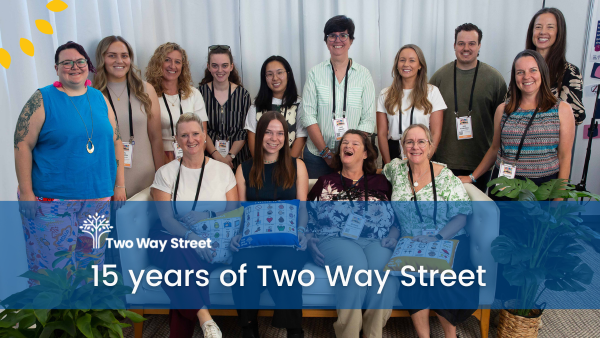
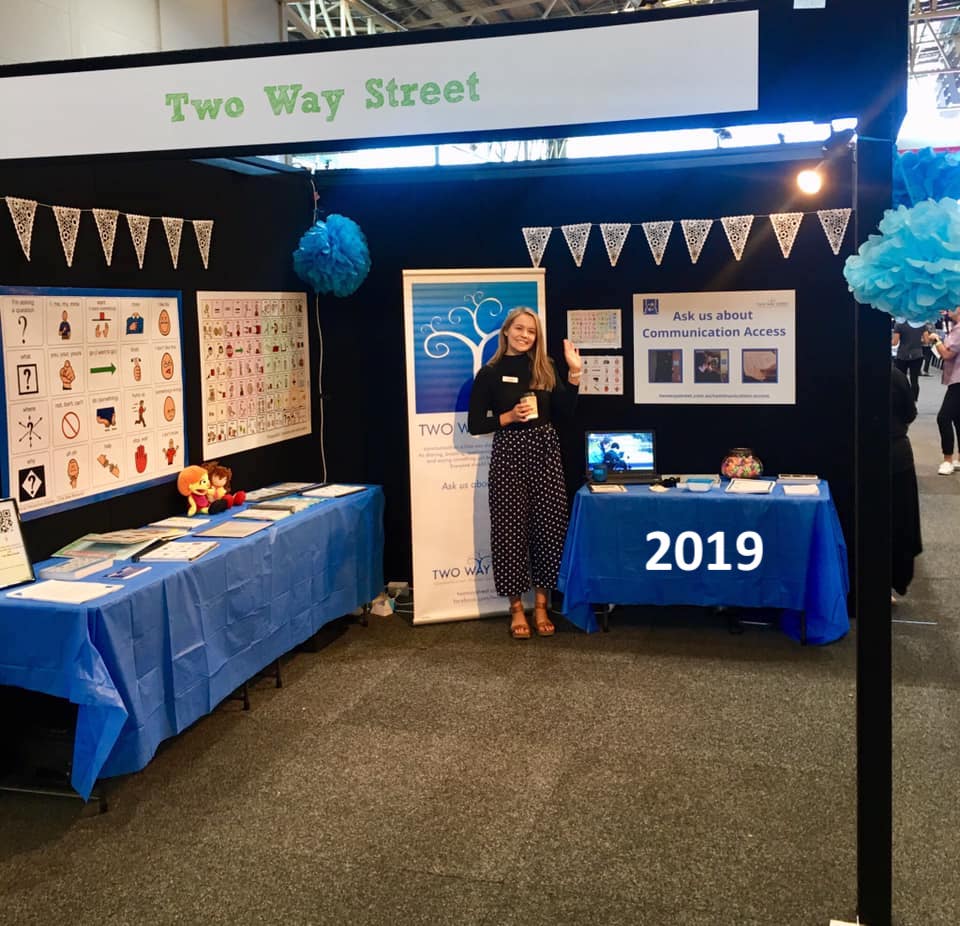
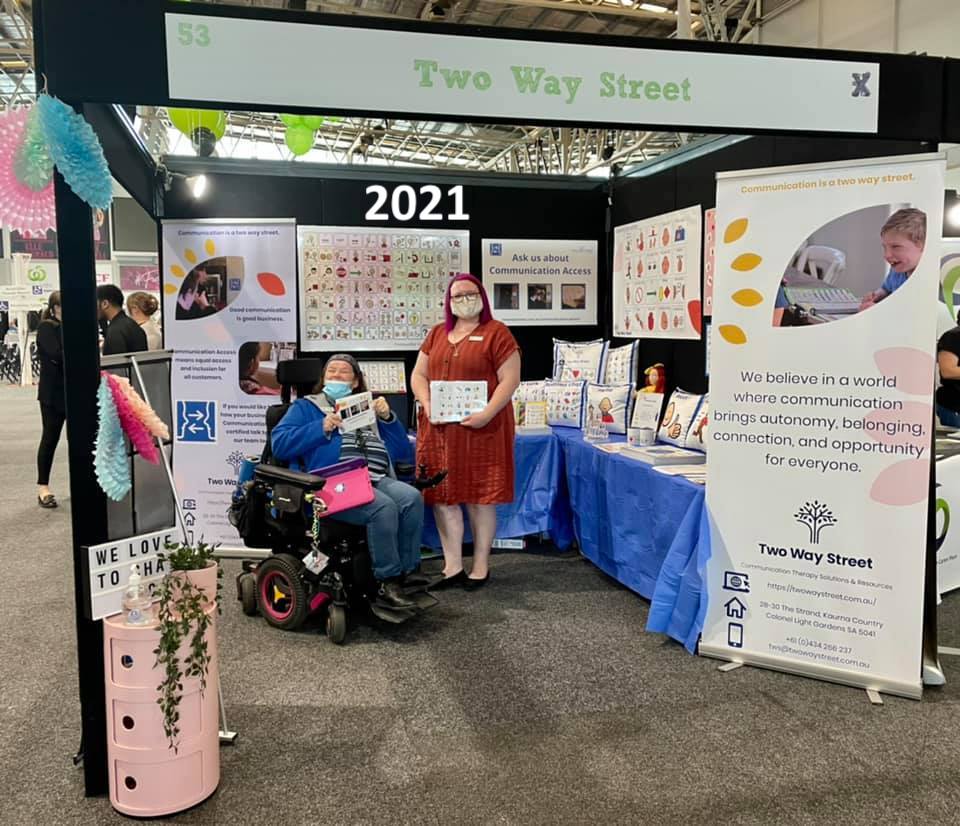
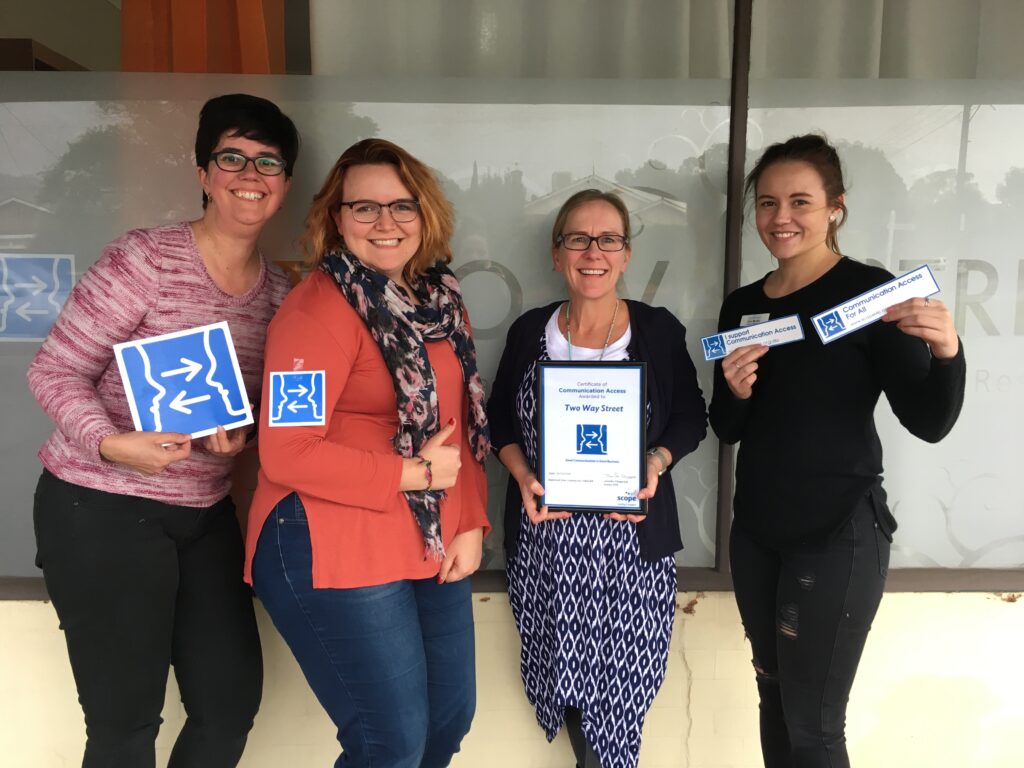
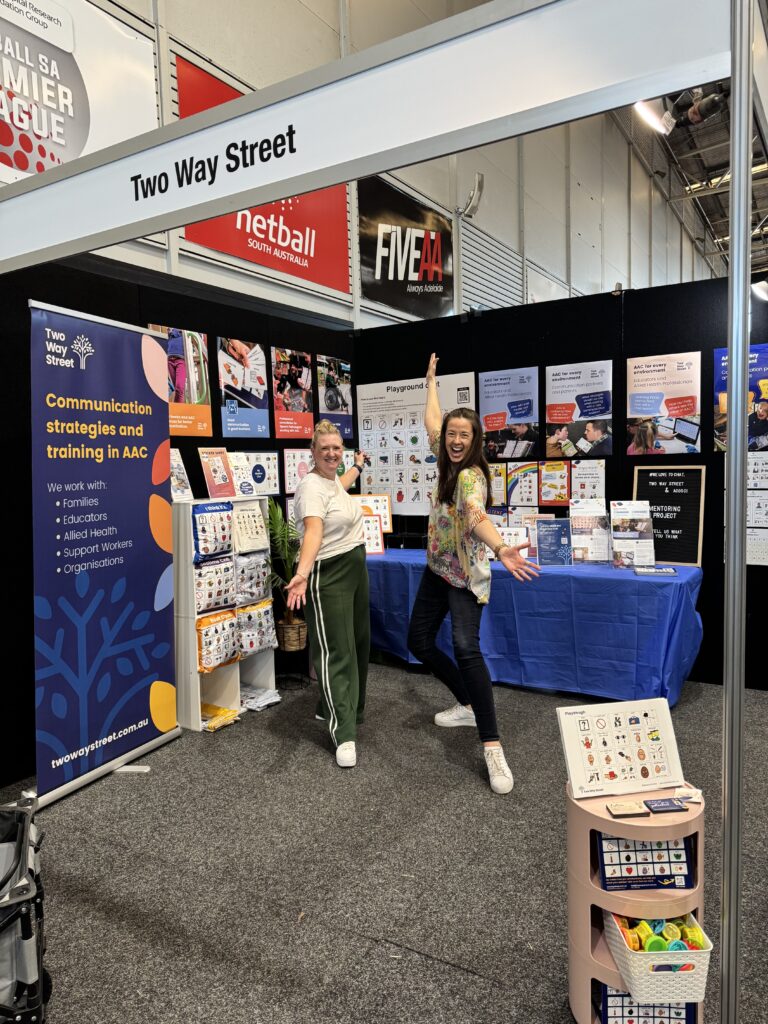
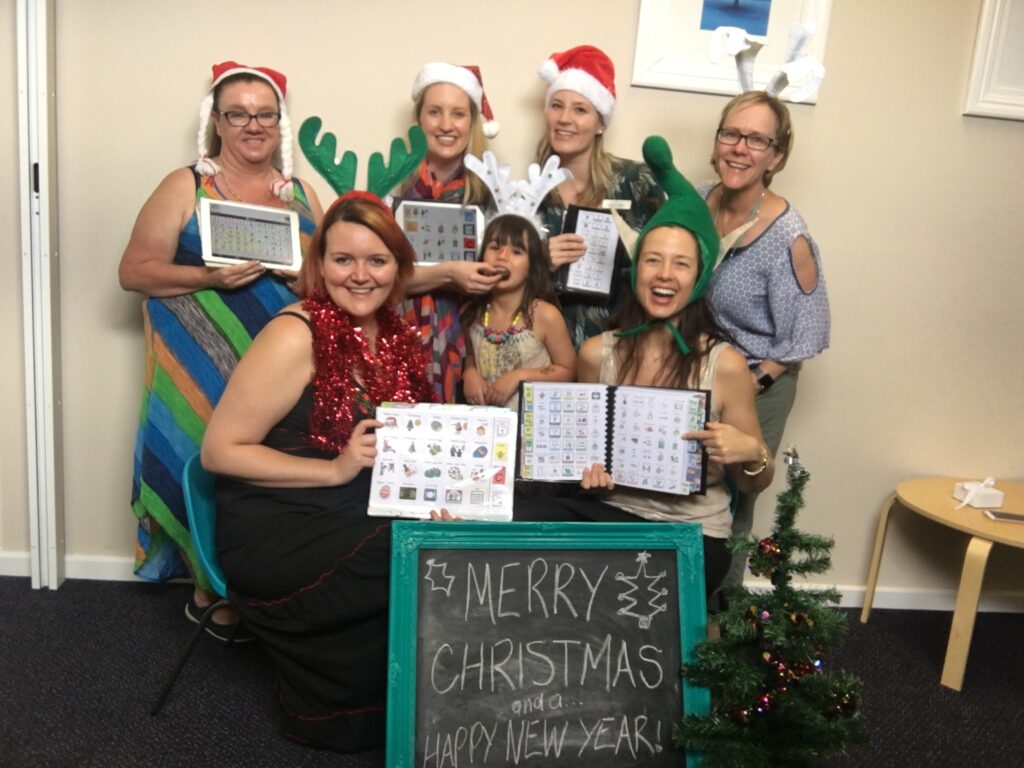
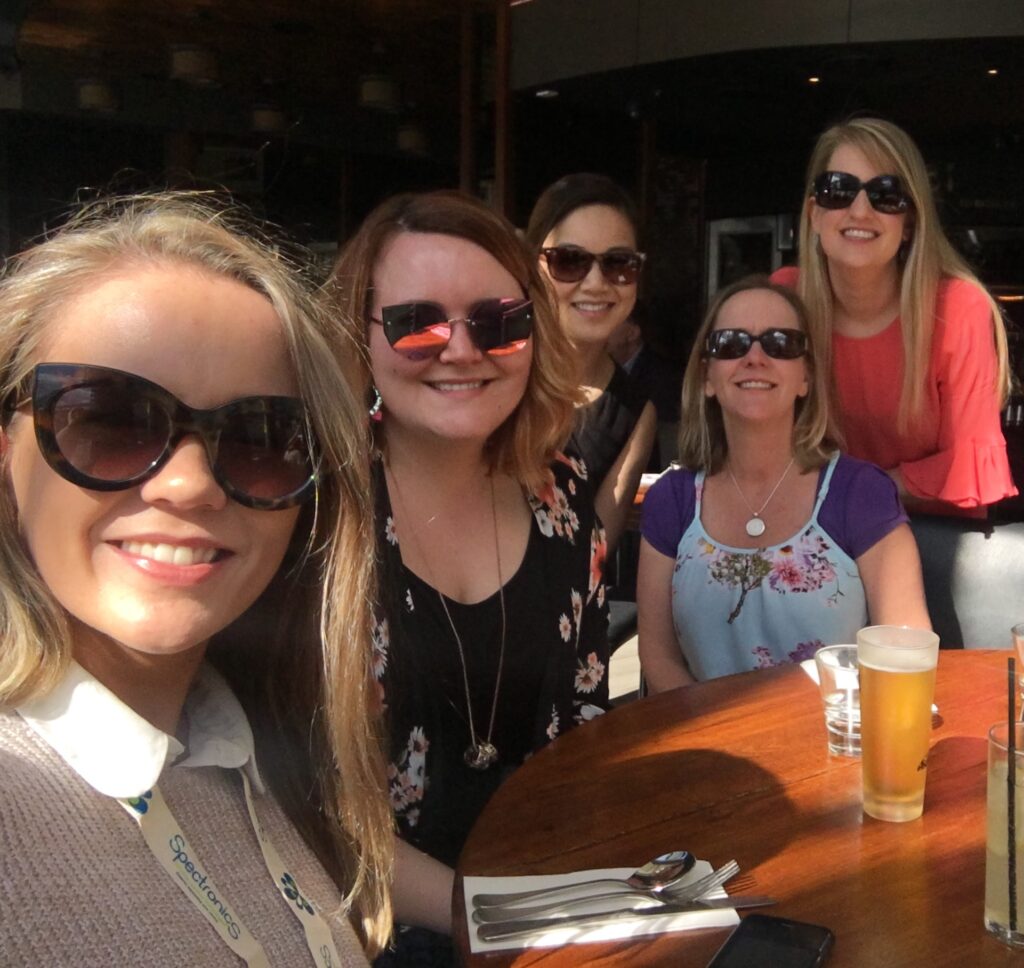
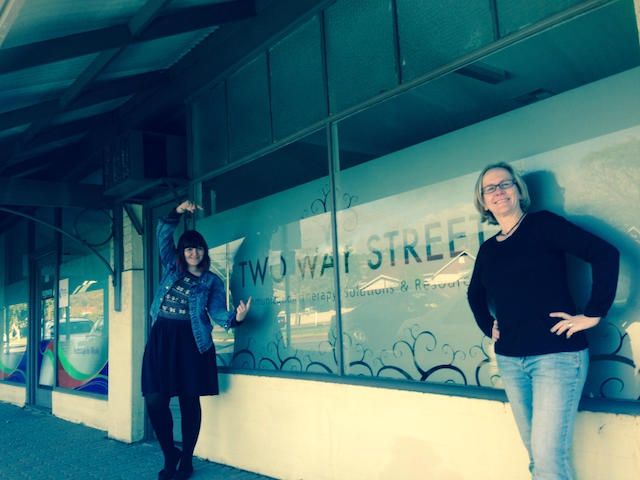
This year, Two Way Street is celebrating a special milestone – 15 years of enabling people who need, prefer or benefit from using any form of AAC together with or in place of spoken language.
Since 2011, we’ve worked alongside individuals, families, educators, therapists, workplaces and organisations across Australia to build inclusive communication environments. Our work has always been grounded in a simple belief:
“To be heard and understood is a fundamental human right.”
For many people, accessing meaningful and individualised augmentative and alternative communication (AAC) supports can transform participation in everyday life, from learning and friendships to decision-making and independence.
While the journey hasn’t always been straightforward, our last 15 years have been filled with innovation, collaboration and countless moments where someone’s voice has been heard in a new way.
The Beginning: A Different Vision for AAC Services
When Two Way Street was founded in 2011, the goal was never simply to deliver traditional therapy services.
From the beginning, our vision was broader – to enable communication solutions for real life, not just in therapy sessions and to view communication beyond the individual to include their people, their places, and their communities.
In the disability sector, particularly within the NDIS environment, funding has predominantly been structured around individual one-to-one therapy. While therapy can be incredibly valuable, we know that communication is a Two Way Street and without an accessible world, the communication disability remains.
People who use AAC systems thrive when the people around them are confident communication partners, and environments are inclusive and welcoming.
This insight has shaped everything we do.
Expanding the Model Beyond 1:1 Therapy
Over the past 15 years, we have intentionally expanded our services beyond individual therapy because a communication disability can be related to any part of the process – environment, processes, topics, partners, attitudes, knowledge and skills.
We have focused on capacity building, education, resources and community development so that inclusive communication becomes embedded in everyday environments.
These initiatives are all part of our vision of a world where communication brings autonomy, belonging, connection and opportunity for everyone.
Navigating the NDIS and Changing Systems
Over the past decade, the introduction of the National Disability Insurance Scheme (NDIS) has reshaped the way disability services are delivered in Australia.
While the NDIS has created many opportunities for people to access services, it has also created challenges for innovative programs that don’t always fit neatly into traditional funding structures.
At Two Way Street, we’ve been navigating these systems while continuing to pursue a bigger vision. Sometimes that has meant taking risks. Sometimes it has meant building programs before funding models existed to support them.
But throughout it all, our focus has remained clear: Ensuring people who need, prefer or benefit from methods other than spoken language have the opportunity to express themselves and participate meaningfully in everyday life.
Our Big Hairy Audacious Goal
At the heart of Two Way Street is what we often refer to as our BHAG — Big Hairy Audacious Goal.
That goal is to create a world where real communication inclusion is the norm, not the exception.
Where schools, workplaces, community services and public spaces understand how to include and enable ALL people.
Where communication partners are confident. And where everyone can participate fully in society.
While we still have work to do, the progress over the past 15 years has been incredible.
Celebrating the Community Behind Two Way Street
Two Way Street has never been just about a business or a service.
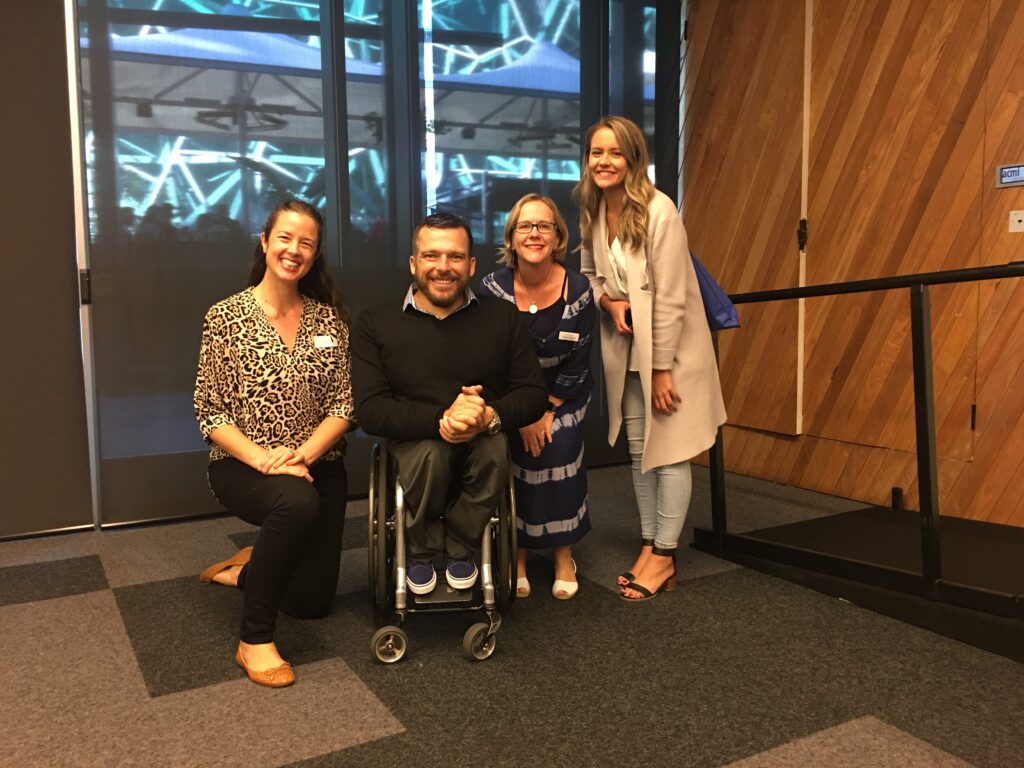
It has always been about a community of people committed to communication inclusion.
Over the years we’ve had the privilege of working alongside:
people who need, prefer or benefit from using AAC systems
their families and their people, enabling inclusive communication in daily life
dedicated speech pathologists and other allied health professionals providing communication support
educators exploring universal design to support all students
organisations advancing communication access and inclusion initiatives
councils and community groups designing accessible public spaces and programs
Each partnership helps turn inclusive communication from idea into everyday practice – creating real opportunities for everyone to be heard, understood and included.
Looking Ahead: The Next 15 Years
While we’re proud of what has been achieved so far, we know the journey is far from over.
The next chapter for Two Way Street will continue to focus on:
universal design for communication inclusion
expanding opportunities for people who need, prefer or benefit from AAC to participate with their people and within their communities
expanding AAC training and education
building communication-inclusive communities
continuing to develop innovative AAC resources and tools
supporting organisations to improve communication accessibility
empowering more people to become confident communication partners
Advocating for awareness, understanding and change
Because when communication is accessible, everyone benefits. It’s a Two Way Street!!
15 Things We’ve Learned in 15 Years of Two Way Street
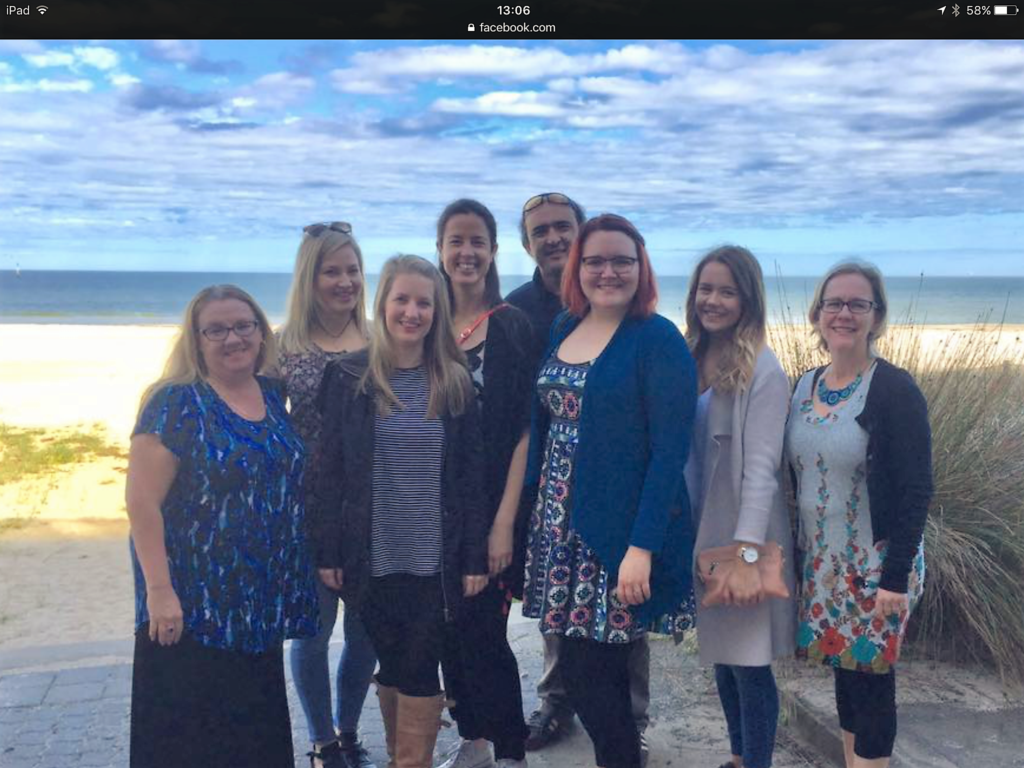
Over 15 years as a team, and with decades of experience between us, we’ve learned that the real value isn’t in what we each bring, it’s in what we build together.
Our clients, their families, our customers and colleagues have all shaped these lessons alongside us.
Here’s just some of what we’ve learnt that continues to shape our work every day.
1. The right to be heard and understood. Communication is how we honour that. Everyone deserves the opportunity to be heard, understand others, and participate authentically in the world around them.
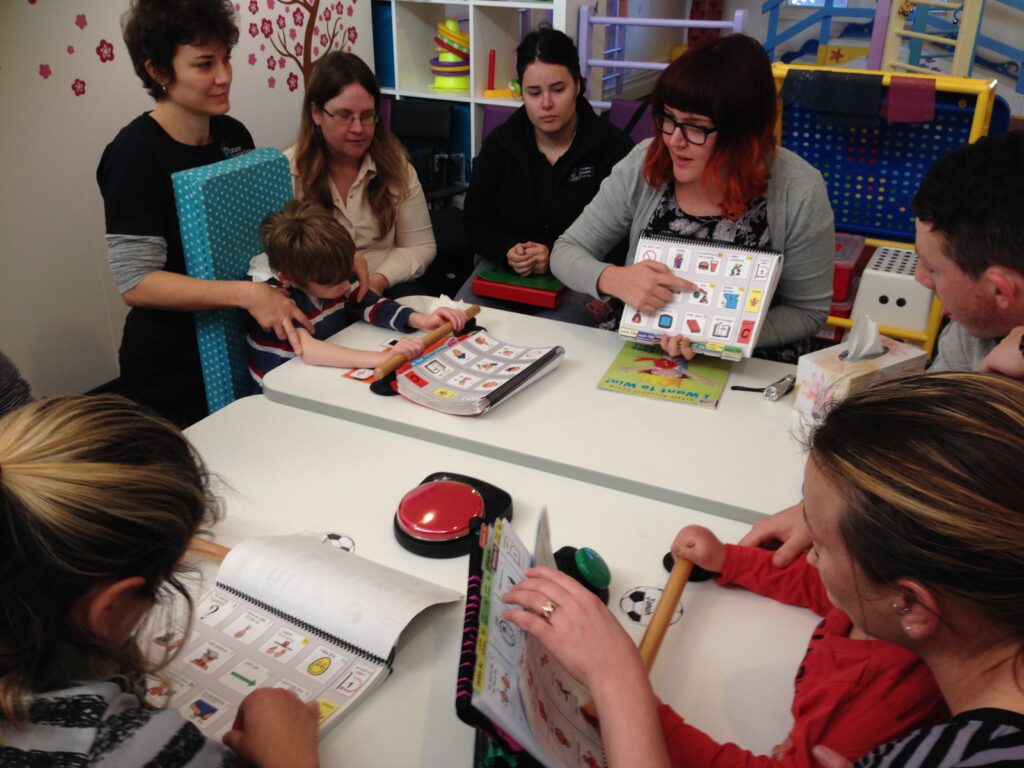
2. Communication happens everywhere. The most meaningful communication happens in everyday environments with the people we love and know within them – at home, in classrooms, at the playground, or out in the community.
3. AAC solutions work best when everyone around the person is involved. Respectful communication partners who value and respond to their person’s voice are more important than the communication system itself.
4. Therapy is only part of the picture. True communication learning happens when it is enabled, supported and expected consistently across daily life. Our role is to make therapy redundant as a person is enabled within their environment to interact effectively with their preferred or necessary partners.
5. Communication methods and messages can take any form As long as a message is exchanged successfully between 2 or more partners, it is considered communication. It’s not the method that matters, but the message that counts.
6. Confidence grows with practice and opportunity. The best way to learn to communicate and interact, is to communicate and interact (with partners who scaffold your success).
7. Communication should never be limited by the environment. When multi-modal communication supports are embedded into schools, workplaces and community spaces, participation increases for everyone.
8. Small changes can make a big difference. Something as simple as a communication board or visual support can open up opportunities for connection.
9. Inclusion requires intention. Creating communication-accessible environments doesn’t happen by accident… It happens when people prioritise it.
10. Families and support networks are powerful advocates. The progress we see is often driven by the dedication of families and teams who believe in their people and inclusive communication.
11. Education and training matter. When teachers, therapists, support workers and organisations understand AAC and its true purpose, communication opportunities grow exponentially.
12. Collaboration is essential. The best outcomes happen when professionals, families and individuals share and collaborate together.
13. The community is part of the communication team. Councils, organisations and public spaces all have a role to play in creating communication-inclusive environments.
14. Progress takes time. Building communication confidence and inclusive systems is a journey, and every small step matters.
15. We’re just getting started. After 15 years, our vision remains the same: we believe in a world where communication brings autonomy, belonging, connection and opportunity for everyone.
Celebrate 15 Years With Us
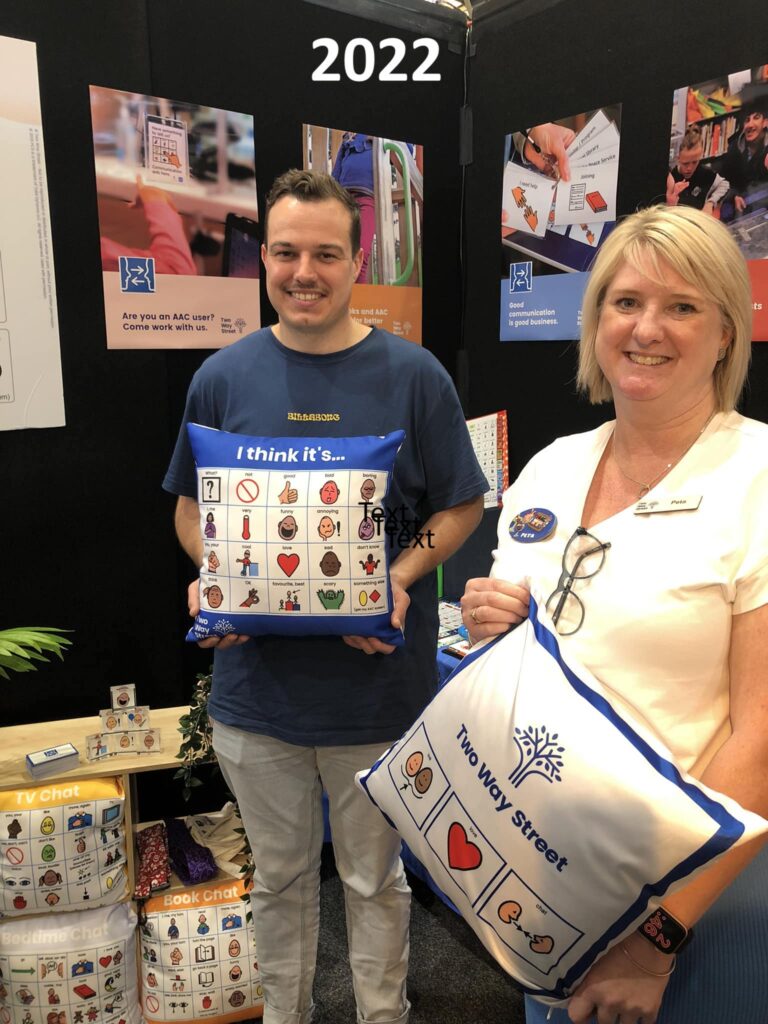
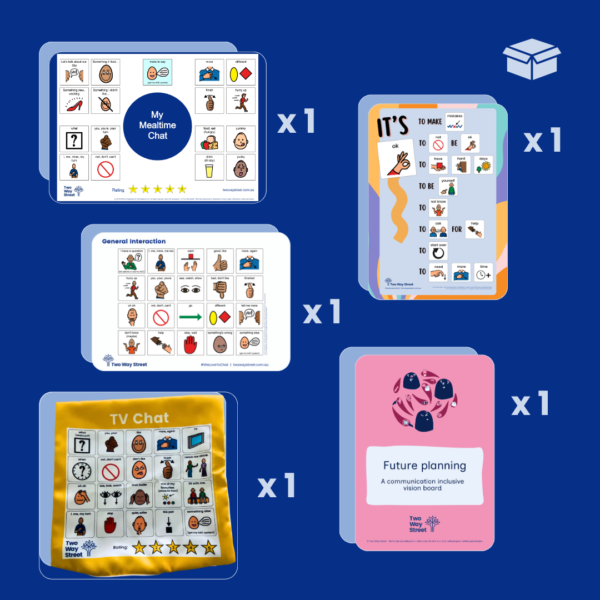
To celebrate 15 years of Two Way Street, we’ve curated a birthday bundle, making this a unique opportunity to to access some of our most-loved products all in the one place, for a limited time.
The bundle was designed around the simple idea that communication happens everywhere. Featuring mealtime and TV time chat products, a double-sided communication board for general interaction, a poster to support inclusion, a vision board activity book to complete together and access to our most valuable online course – The Emerging Communicators.
The TWS 15-Year Birthday Bundle enables communication where it matters most… in everyday moments. Only available until 30 June 2026!
And if you’ve been part of the Two Way Street journey over the past 15 years – whether as a client, partner, participant or supporter – thank you.
We couldn’t have done it without you. It really has been a Two Way Street.
Frequently Asked Questions about AAC
AAC refers to tools and strategies that enable people to communicate using methods alongside or in place of spoken language. This can include body language, sign, gestures, vocalisations, communication books such as PODD, communication boards, speech generating devices, and other methods that help people to express themselves or to understand others.
AAC can enable children and adults with a range of communication disabilities, including autism, cerebral palsy, developmental disability, acquired brain injury and other conditions that affect speech. People may need or prefer to use AAC instead of spoken words, and others may use it alongside to clarify, expand or elaborate their message, as well as to enable understanding of spoken language. AAC may not be for everyone, but is for anyone.
Communication inclusion ensures that all people are welcomed, valued and can participate fully in education, work, healthcare and community life, and that these opportunities do not rely on the ability to express or understand spoken language.