Our powerful new definition of mentoring.

“Mentoring is a flexible and inclusive relationship where both mentor and mentee learn and grow. It can happen in all kinds of ways, and both mentor and mentee may not even be aware that it’s happening at times. Communication is adapted to fit the person, not the other way around.”
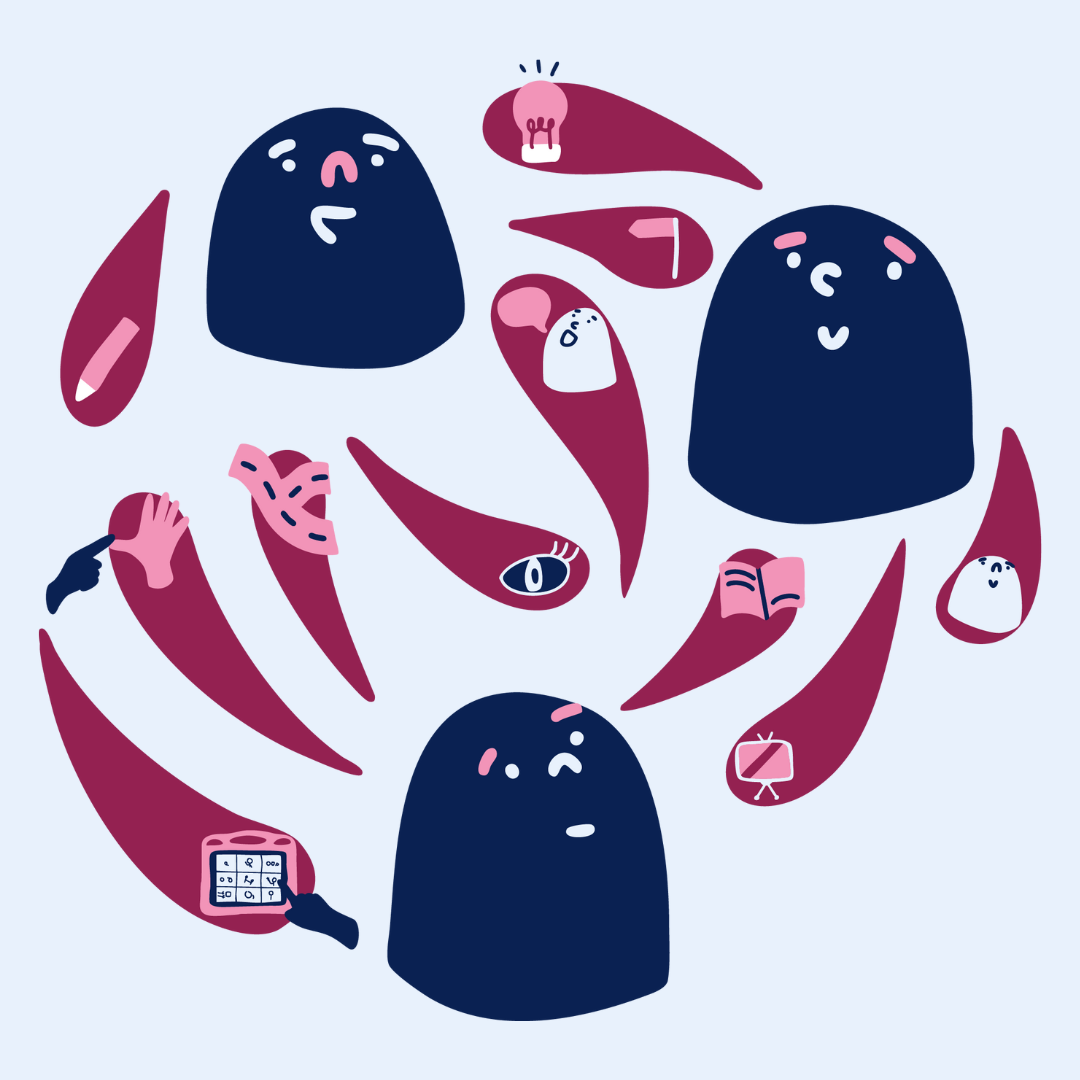
Mentoring visualisation
During Phase One of the Redefining Mentoring Project, together, we explored what mentoring really looks like in everyday life and on individuals’ own terms.

To shape this understanding we invited a research panel to join a live, online webinar led by Two Way Street Director, Janelle Sampson. Together, we talked about what the research has already found around mentoring and communication disability.

See the full webinar recording and read a summary outlining the discussion and thought-provoking insights from research and lived experience.

Curious to see what else we found?

We’ve created two easy ways to explore our findings; a plain language summary you can read, and a short 3-minute video you can watch. Pick the option that suits you best and discover how we wrapped up this initial phase, shaped by the voices and ideas of people with communication disability every step of the way.

Podcasts from AGOSCI Conference 2025

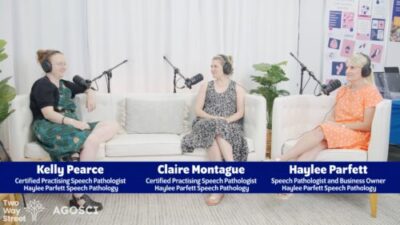
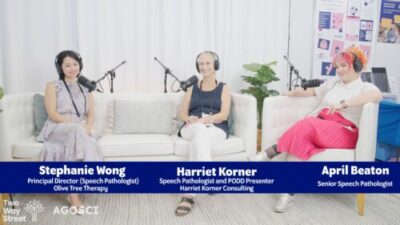
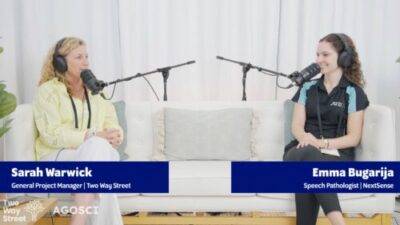
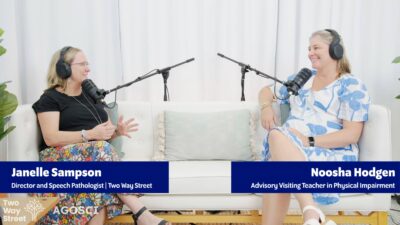
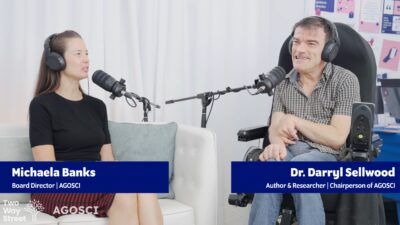
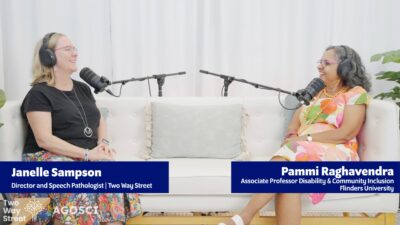
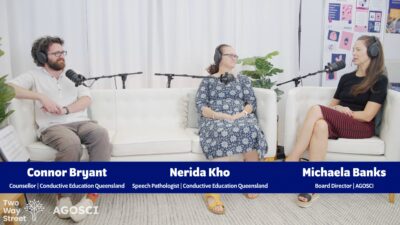
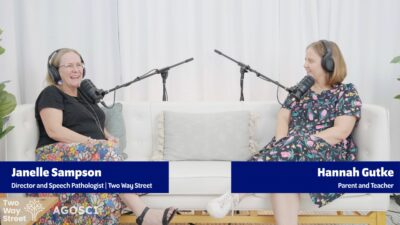
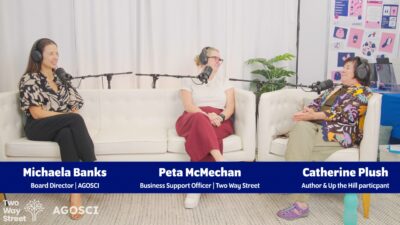
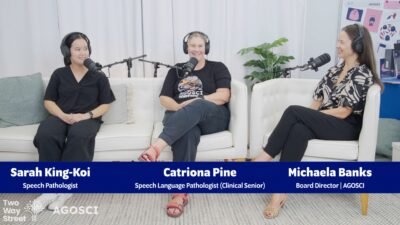
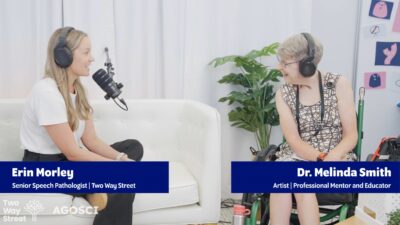
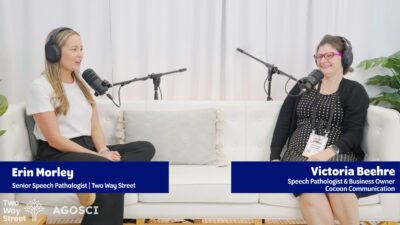
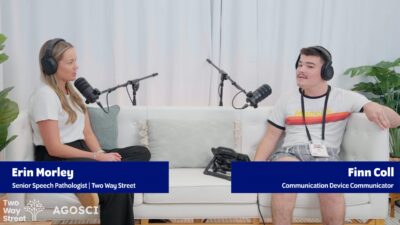
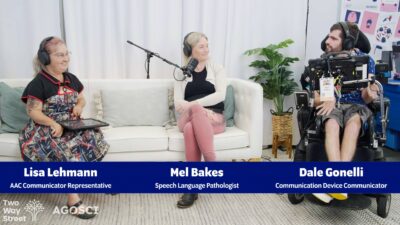
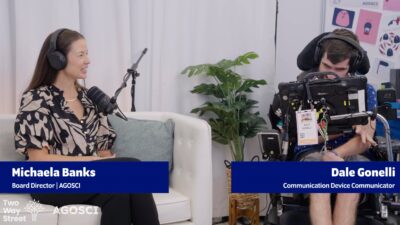
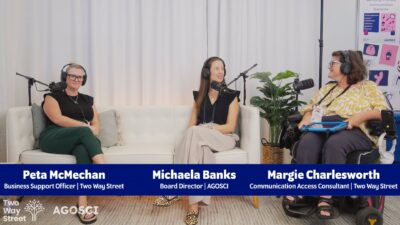
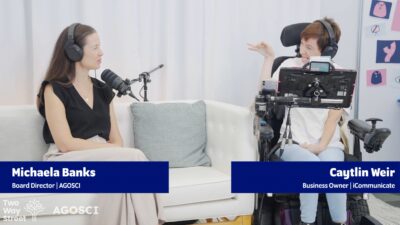
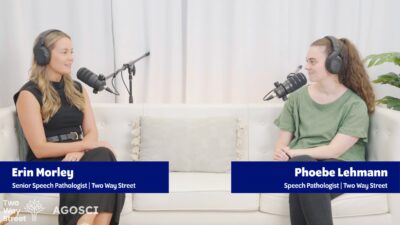
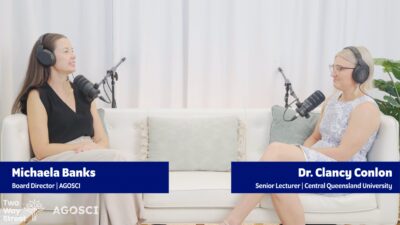
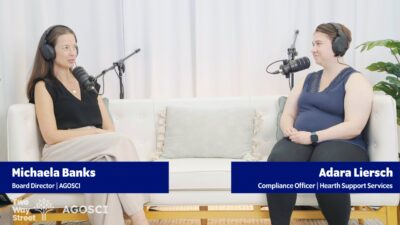
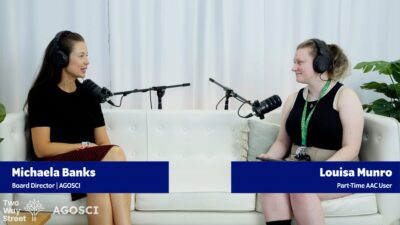
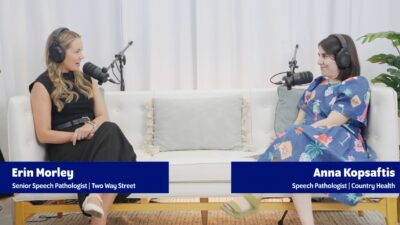
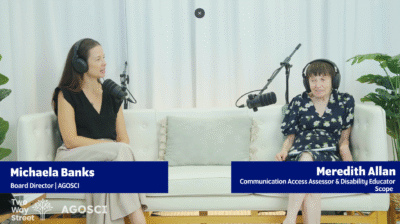
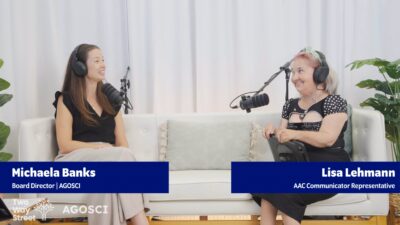
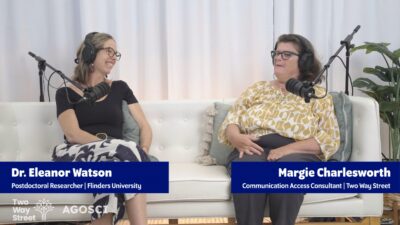
At the AGOSCI Conference in Adelaide, March 2025, Two Way Street hosted a special podcast series exploring mentoring in unique communication scenarios. Across the conference, our comfy “podcast couch” became the place to be, where people stopped by to share their stories and insights about mentoring and inclusive communication. Together, we uncovered a treasure trove of perspectives, practical ideas, and examples of good mentoring practice. There was laughter and tears, as we broke down barriers and shared with honesty, creating real conversations about what mentoring looks like when communication is for everyone. Tune in to hear authentic voices, diverse experiences, and inspiring stories that celebrate inclusion, connection, and the power of mentoring. Watch the podcast series below and be part of these conversations.

Questions?

We’re here to support you!
Email [email protected] with any questions.

Let’s keep redefining mentoring — and make space for everyone to connect, learn, and grow in their own way.

Acknowledgment of Terminology

We acknowledge that terms like AAC and PWCD are labels that may or may not be preferred terminology by some people. We respect diversity of opinion and an individual’s right to decide on their own terminology. Currently at Two Way Street, we’ve chosen to use the term “People with Communication Disability” (PWCD). Importantly, this term assumes a model of disability that recognises the dynamic interactions between the individual, their communication partners, the environment, and the topics of conversation, highlighting that meaningful communication is shaped by multiple factors working together. This means that PWCD includes anyone who experiences breakdowns in communication related to their own methods of communication, their communication partners, or barriers created by a less inclusive environment.

Acknowledgment of Cultural Influence

We recognise the cultural biases and influences that shape our perspectives in this project, particularly the predominant Western viewpoints on communication, autonomy, connection, belonging, and opportunity. While we strive to be inclusive of all individuals and communicators, we understand that our own cultural backgrounds, funding, and time capacity may pose limitations. We invite everyone to engage with the information and resources we share through their own cultural lenses, and we welcome feedback and modifications that enhance our collective understanding.

Funding Acknowledgement

This project received funding from the Australian Government Department of Health, Disability and Ageing